


African Potato

African potato | Hypoxis hemerocallidea
When applied topically, the African potato serves as a powerful botanical agent for skin health and tissue recovery. Its primary benefit lies in its potent anti-inflammatory action, which helps soothe localized swelling and reduces the discomfort associated with muscle aches or joint stiffness. It is highly effective at accelerating wound healing, as its bioactive compounds support the regeneration of skin cells and provide a protective barrier against environmental stressors. For those with chronic skin conditions, it acts as a natural eczema and psoriasis treatment, calming redness and reducing the urge to itch. Additionally, its antimicrobial properties make it an excellent choice for preventing minor skin infections in cuts or abrasions. Finally, it functions as a deeply hydrating antioxidant, protecting the skin from premature aging caused by free radical damage while improving overall skin texture and resilience.
Aloe Vera
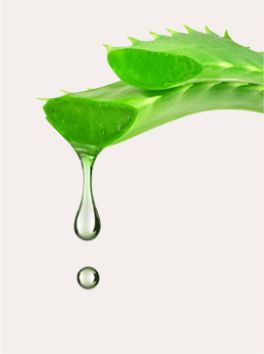
Aloe Vera | Aloe Barbadensis
Aloe Vera is a skincare staple celebrated for its exceptional soothing and hydrating properties.
- Deep Hydration: Its high water content delivers moisture without a greasy feel, perfect for all skin types.
- Soothing Relief: It contains compounds that calm inflammation, redness, and sunburn.
- Accelerated Healing: Stimulates collagen production to speed up the repair of scars and minor wounds.
- Antimicrobial: Naturally fights bacteria, making it effective for treating acne-prone skin.
Amphisol CG
Amphisol CG | Cocamidopropyl Betaine (CAPB)
Cocamidopropyl Betaine (CAPB) is a mild surfactant derived from coconut oil, commonly found in cleansers and shampoos.
- Gentle Cleansing: It effectively removes dirt and oil without stripping the skin’s natural moisture barrier.
- Foam Booster: It creates a rich, luxurious lather that enhances the washing experience.
- Conditioning: Unlike harsher sulfates, it leaves the skin feeling soft and hydrated.
- pH Balancing: It helps maintain the skin’s natural acidic balance, making it ideal for sensitive skin.
Aniseed Extract
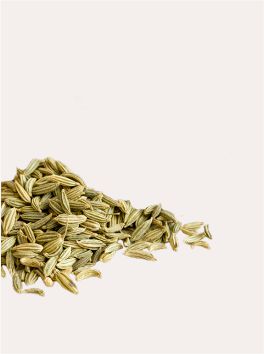
Aniseed |
Pimpinella anisum L.
Aniseed extract, derived from Pimpinella anisum, is a potent botanical known for its “natural botox” effect.
- Smoothing: High concentrations of anethole help relax facial muscles, reducing the appearance of fine lines.
- Antimicrobial: Its natural antifungal and antibacterial properties help keep skin clear and prevent breakouts.
- Detoxifying: It promotes a clearer complexion by drawing out impurities from the pores.
- Antioxidant: Rich in Vitamin C and polyphenols, it protects skin from environmental stressors and oxidative damage.
Apricot Kernel
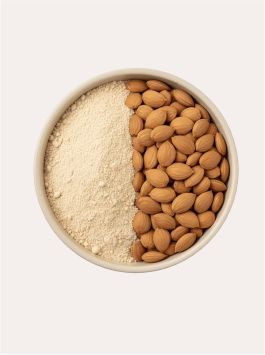
apricot kernel | Prunus armeniaca L.
Apricot kernels are nutrient-rich, containing high-quality proteins, unsaturated fatty acids (e.g., oleic and linoleic acids), dietary fiber, minerals, polyphenols, and vitamin E.
These components contribute to potential antioxidant and anti-inflammatory effects that may support cellular health and reduce oxidative stress.
Argan Oil
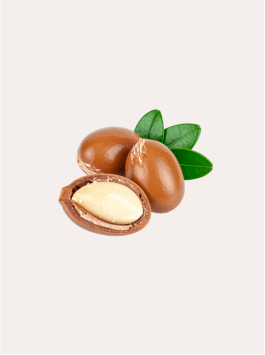
Argan Oil | Argania spinosa (L.) Skeels
Argan oil is nutrient-dense, primarily composed of unsaturated fatty acids (about 80%, mainly oleic acid ~43–49% and linoleic acid ~29–37%), along with high levels of vitamin E (tocopherols, especially γ-tocopherol), polyphenols, phytosterols (e.g., schottenol, spinasterol), squalene, carotenoids, and other antioxidants.
Potential benefits (supported by traditional use, some human studies, and preclinical research):
- Skin and cosmetic uses (topical application): Improves skin hydration, elasticity, and barrier function; may reduce signs of aging (fine lines, wrinkles), soothe inflammation, and support wound healing or mild skin conditions like burns or eczema. It absorbs well without greasiness and is widely used in hair care for moisturizing, reducing damage (e.g., from dyeing or heat), and improving shine.
- Heart health (when consumed): May help improve lipid profiles by lowering “bad” LDL cholesterol and raising “good” HDL, while reducing oxidative stress and inflammation, potentially supporting cardiovascular protection.
- Antioxidant and anti-inflammatory effects: The bioactive compounds combat oxidative stress, which may contribute to anti-aging, immune support, and reduced risk of chronic conditions (preliminary evidence for benefits in diabetes, metabolic health, or neuroprotection exists in animal/in vitro studies).
Arnica

Arnica Oil | Arnica montana L.
Arnica contains bioactive compounds like sesquiterpene lactones (especially helenalin), flavonoids, and phenolic acids, which contribute to its anti-inflammatory, analgesic (pain-relieving), and mild antimicrobial properties in laboratory and some clinical settings.
Potential benefits (primarily from topical use of gels, creams, or ointments; supported by traditional use and varying levels of clinical evidence):
- Bruising, swelling, and trauma: Often used to reduce bruising, swelling, and pain from injuries, sprains, muscle soreness, or post-surgery. Some studies show modest benefits for post-operative bruising or swelling (e.g., after knee surgery or rhinoplasty), though results are mixed.
- Osteoarthritis and joint/muscle pain: Topical arnica gel may help relieve pain and stiffness in hand or knee osteoarthritis, with some trials suggesting effects comparable to ibuprofen in short-term use. It is also applied for back pain, rheumatic complaints, and general muscle aches.
- Other traditional uses: For minor skin irritations, inflammation, or as an antiseptic in diluted forms.
Homeopathic arnica (highly diluted preparations, often in pellet or tablet form) is widely used for similar trauma-related symptoms, but rigorous evidence for efficacy beyond placebo is limited or inconsistent.
Ascorbic Acid

Ascorbic Acid | L-ascorbic acid
Ascorbic Acid (commonly known as Vitamin C) has the chemical/scientific name L-ascorbic acid (the biologically active form). It is a water-soluble vitamin and potent antioxidant essential for human health.
Health and Skin Benefits (in bullet points):
- Powerful antioxidant protection: Neutralizes free radicals from UV exposure and pollution, helping prevent cellular damage and oxidative stress.
- Boosts collagen synthesis: Acts as a cofactor in collagen production, supporting skin firmness, elasticity, and wound healing while reducing signs of aging.
- Brightens skin and reduces hyperpigmentation: Inhibits melanin production, helping fade dark spots, even out skin tone, and improve overall radiance.
- Supports immune function and general health: Enhances white blood cell activity, aids iron absorption, and promotes tissue repair and recovery from illness or injury.
- Photoprotective and anti-aging effects: Helps reduce UV-induced photodamage, fine lines, wrinkles, and skin roughness when used topically or through adequate dietary intake.
Avocado Oil
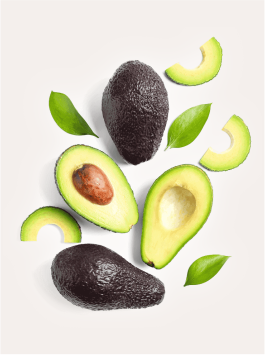
Avocado Oil | Persea americana Mill
Avocado oil is rich in monounsaturated fatty acids (mainly oleic acid ~60–70%), vitamin E (tocopherols), carotenoids, phytosterols, and other antioxidants.
- Heart health support: High in oleic acid, it may help lower LDL cholesterol, improve lipid profiles, reduce blood pressure, and provide anti-inflammatory effects similar to olive oil.
- Antioxidant and anti-aging effects: Combats oxidative stress; when consumed or applied topically, it may support cellular health, reduce age-related damage, and improve skin elasticity/firmness.
- Skin moisturizing and barrier repair: Excellent emollient that deeply hydrates, strengthens the skin barrier, soothes dryness, and may reduce inflammation in conditions like eczema or psoriasis.
- Wound healing and collagen support: Promotes collagen synthesis, accelerates epithelialization, and aids minor wound repair due to its fatty acids and bioactive compounds.
- Cooking stability and nutrient absorption: High smoke point (especially refined) makes it suitable for high-heat cooking; enhances absorption of fat-soluble nutrients like carotenoids from other foods.
Baobab Oil

Baobab Oil | Adansonia digitata L.
Baobab oil is rich in essential fatty acids (primarily linoleic acid ~33–37%, oleic acid ~25–35%, and palmitic acid), along with vitamin E (tocopherols), phytosterols, and antioxidants.
- Skin moisturizing and barrier repair: Provides deep hydration, reduces transepidermal water loss (TEWL), improves skin elasticity, and strengthens the lipid barrier, making it effective for dry, dehydrated, or irritated skin.
- Anti-aging and collagen support: Antioxidants help combat free radicals, preserve collagen, reduce fine lines/wrinkles, and promote smoother, more elastic skin.
- Soothing inflammation and irritation: May relieve symptoms of eczema, psoriasis, or minor inflammation due to its fatty acids and anti-inflammatory properties; also supports wound healing and skin regeneration.
- Hair and scalp nourishment: Moisturizes dry hair, improves shine, and may soothe scalp irritation when used in hair care formulations.
- Mild acne support: High linoleic acid content can help balance skin without clogging pores (low comedogenic rating) and reduce associated redness/irritation in some cases.
Ben Oil
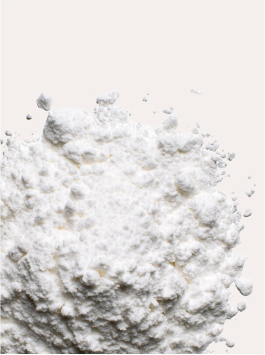
Benzoic Acid |
Benzoic Acid is a colorless, crystalline organic compound that occurs naturally in many plants, particularly in berries like cranberries and blueberries. In the world of skincare and pharmaceuticals, it is a foundational ingredient valued for its preservative qualities and its ability to treat fungal conditions.
5 Benefits of Benzoic Acid
- Effective Antimicrobial Preservative: It inhibits the growth of bacteria, mold, and yeast, ensuring that water-based creams and lotions remain safe and shelf-stable for longer periods.
- Anti-Fungal Treatment: It is a primary component in classic formulations (like Whitfield’s Ointment), used to treat fungal skin infections such as ringworm, athlete’s foot, and tinea.
- Gentle Exfoliation: As a mild alpha-hydroxy acid (AHA), it helps shed dead skin cells from the surface, which improves skin texture and clarity.
- pH Regulation: It is frequently used to adjust and stabilize the acidity of topical products, ensuring they stay within a range that is healthy for the skin’s natural protective barrier.
- Soothing Properties: When used in appropriate concentrations, it can help reduce skin irritation and provide a slight numbing effect, which is beneficial for calming itchy or inflamed areas.
Bentonite
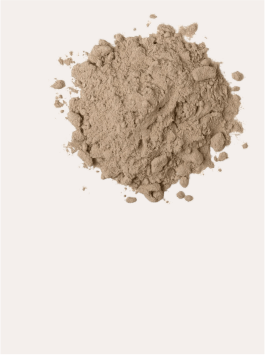
Bentonite | Montmorillonite
Bentonite, also commonly referred to as Montmorillonite, is a versatile “healing clay” formed from aged volcanic ash. It is prized in both natural wellness and industrial applications for its unique ability to produce an electrical charge when hydrated, allowing it to absorb and remove toxins.
5 Benefits of Bentonite Clay for Skin and Body
- Deep Pore Detoxification: Due to its high cation exchange capacity, the clay acts like a magnet to draw out heavy metals, impurities, and excess sebum from the pores.
- Treatment of Acne and Oily Skin: It effectively manages breakouts by absorbing the oils that clog pores while providing a gentle exfoliation to remove dead skin cells.
- Soothing Skin Irritations: When applied as a poultice, it can calm the itchiness and inflammation associated with poison ivy, insect bites, or allergic skin reactions.
- Antibacterial Protection: Bentonite has natural antimicrobial properties that can help inhibit the growth of harmful bacteria on the skin’s surface, aiding in the healing of minor infections.
- Digestive Support (Internal Use): While often used topically, food-grade bentonite is sometimes used to bind to toxins in the digestive tract, assisting with issues like bloating or mild food poisoning.
Benzoic Acid
Bentonite | Montmorillonite
Bentonite, also commonly referred to as Montmorillonite, is a versatile “healing clay” formed from aged volcanic ash. It is prized in both natural wellness and industrial applications for its unique ability to produce an electrical charge when hydrated, allowing it to absorb and remove toxins.
5 Benefits of Bentonite Clay for Skin and Body
- Deep Pore Detoxification: Due to its high cation exchange capacity, the clay acts like a magnet to draw out heavy metals, impurities, and excess sebum from the pores.
- Treatment of Acne and Oily Skin: It effectively manages breakouts by absorbing the oils that clog pores while providing a gentle exfoliation to remove dead skin cells.
- Soothing Skin Irritations: When applied as a poultice, it can calm the itchiness and inflammation associated with poison ivy, insect bites, or allergic skin reactions.
- Antibacterial Protection: Bentonite has natural antimicrobial properties that can help inhibit the growth of harmful bacteria on the skin’s surface, aiding in the healing of minor infections.
- Digestive Support (Internal Use): While often used topically, food-grade bentonite is sometimes used to bind to toxins in the digestive tract, assisting with issues like bloating or mild food poisoning.
Benzyl Alcohol

Benzyl Alcohol |
Benzyl Alcohol is an aromatic alcohol that occurs naturally in various fruits (like apples and raspberries) and essential oils (such as jasmine and ylang-ylang). In professional formulations, it serves as a multi-functional ingredient, acting as both a high-performance preservative and a local anesthetic.
5 Benefits of Benzyl Alcohol
- Broad-Spectrum Preservation: It is highly effective at preventing the growth of bacteria and fungi, making it a staple in “clean beauty” formulations where traditional parabens are avoided.
- Localized Pain Relief: It possesses mild anesthetic properties, which is why it is often included in topical balms to temporarily numb minor stings, bites, or skin irritations.
- Solvent & Viscosity Control: It acts as a powerful solvent, helping to dissolve other active ingredients and ensuring a smooth, spreadable consistency in creams and ointments.
- Fragrance Fixative: Due to its pleasant, faint floral scent and low volatility, it helps “fix” other scents in a product, allowing the fragrance to last longer on the skin.
- Anti-Parasitic Action: In higher concentrations, it is used in specialized treatments to combat certain skin parasites, such as head lice, by obstructing their respiratory processes.
Benzyl Benzoate
Benzyl Benzoate |
Benzyl Benzoate is an organic compound that can be found naturally in the essential oils of flowers like Jasmine, Hyacinth, and Ylang-ylang. It is a versatile ingredient widely used in both pharmaceutical and cosmetic industries, functioning as a solvent, a fixative, and a potent antiparasitic agent.
5 Benefits of Benzyl Benzoate
- Treatment of Scabies and Lice: It is perhaps most famous as a highly effective medical treatment for scabies and lice, working by attacking the nervous system of these parasites.
- Scent Fixative: In perfumery and product formulation, it acts as a fixative, slowing down the evaporation of more volatile aromatic ingredients so the fragrance lasts significantly longer.
- Effective Solvent: It is an excellent solvent for dissolving various solid additives, such as musk or certain plant extracts, ensuring they remain evenly distributed within a balm or oil.
- Soothing of Summer Itch (Animal Care): Often used in veterinary applications, it helps treat “sweet itch” or summer eczema in horses and livestock caused by biting midges.
- Skin Conditioning: When used in very low, controlled concentrations, it acts as a masking and conditioning agent that helps improve the spreadability and “feel” of topical products.
Bergamot Oil
Bergamot Oil | Citrus bergamia
Bergamot Oil is an essential oil cold-pressed from the rind of the Citrus bergamia fruit, a small citrus tree that grows almost exclusively in the Calabria region of Italy. It is unique among citrus oils for its complex, floral-spicy aroma and its high content of both limonene and linalyl acetate.
5 Benefits of Bergamot Oil
- Stress and Anxiety Reduction: Inhalation of the oil has been shown to signal the brain to release dopamine and serotonin, making it one of the most effective essential oils for calming the nervous system.
- Natural Skin Purifier: Its antibacterial and anti-inflammatory properties make it an excellent spot treatment for oily skin and acne, helping to clear pores and reduce redness.
- Pain and Inflammation Relief: It contains compounds like carvacrol that act as mild analgesics, which can be beneficial when diluted in a carrier oil for massaging sore muscles or joints.
- Digestive Support: When used in aromatherapy or diluted topical application, it can stimulate digestive enzymes and help alleviate the discomfort of bloating or indigestion.
- Deodorizing and Refreshing: Its powerful, clean scent acts as a natural deodorizer, effectively neutralizing odors while providing a refreshing, uplifting atmosphere.
Black Maca

Black Maca | Lepidium meyenii
Black Maca is the rarest and most potent color variety of the Lepidium meyenii root, a cruciferous vegetable native to the high altitudes of the Peruvian Andes. Often referred to as “Peruvian Ginseng,” the black phenotype is specifically prized for its superior levels of antioxidants and its specific impact on energy and cognitive function.
5 Benefits of Black Maca
- Enhanced Physical Endurance and Energy: Black Maca is widely used by athletes to increase stamina and strength. It acts as an adaptogen, helping the body manage physical stress and reducing recovery time after exertion.
- Improved Cognitive Function: Studies suggest that the black variety of Maca is the most effective for supporting memory, focus, and overall brain health, potentially protecting against oxidative stress in the nervous system.
- Optimized Male Fertility and Libido: While all Maca varieties support hormonal balance, Black Maca is specifically noted for its ability to improve sperm count and motility, as well as significantly boosting libido.
- Mood Regulation: As a powerful adaptogen, it helps balance the endocrine system, assisting in the regulation of cortisol levels to reduce feelings of anxiety and improve overall mood.
- Bone Density Support: Rich in essential minerals like calcium and magnesium, Black Maca contributes to maintaining strong bone structure and may help prevent bone loss associated with aging.
Bleached Beeswax
Bleached Beeswax | Cera Alba
Bleached Beeswax (also known as Cera Alba) is the purified and decolorized version of natural yellow beeswax. It undergoes a filtration and bleaching process—often using natural sunlight, air, or earth filters—to remove the yellow pigment and characteristic honey scent, resulting in a clean, white, and odorless wax.
5 Benefits of Bleached Beeswax for Topical Use
- Reliable Barrier Protection: It forms a breathable, protective lattice on the skin’s surface, locking in moisture and shielding the skin from environmental pollutants without clogging pores.
- Superior Emollient Properties: Rich in vitamin A, it helps to soften and rehydrate dry or cracked skin, making it a foundational ingredient for intensive hand creams and lip balms.
- Formula Stabilizer and Thickener: It provides the necessary structure and “body” to ointments and salves, ensuring that liquid oils (like Ben Oil) stay blended and do not separate at room temperature.
- Clean Aesthetic & Fragrance Base: Because it is colorless and odorless, it allows the true scent of premium essential oils (like Bergamot) and the exact color of your botanicals to shine through without the “yellowing” effect of raw wax.
- Water-Repellent Qualities: It adds a slight water-resistant layer to topical products, which is particularly useful for barrier creams designed to protect skin against moisture-induced irritation or “wet-work” conditions.
Chlorhexidine Gluconate
Biotaine | Chlorhexidine
Chlorhexidine (commonly used as Chlorhexidine Gluconate or CHG) is a powerful, broad-spectrum antiseptic and disinfectant. It is highly valued in both medical and cosmetic applications for its ability to kill a wide range of bacteria, fungi, and certain viruses while remaining active on the skin for several hours after application.
5 Benefits of Chlorhexidine for Topical Use
- Long-Lasting Antimicrobial Action: One of its standout features is “persistence.” It binds to the skin’s proteins and continues to kill microbes for up to six hours, providing much longer protection than alcohol-based sanitizers.
- Broad-Spectrum Efficacy: It is highly effective against both Gram-positive and Gram-negative bacteria, making it a gold standard for disinfecting minor wounds, cuts, and surgical sites.
- Treatment of Skin Infections: It is frequently used to manage persistent skin conditions like folliculitis or infected dermatitis, as it reduces the bacterial load on the skin’s surface without being overly harsh.
- Non-Stinging Disinfection: Unlike iodine or high-percentage alcohol, Chlorhexidine generally does not sting when applied to open skin, making it a preferred choice for pediatric care and sensitive areas.
- Effective Dental and Oral Hygiene: In specific oral rinses, it is used to treat gingivitis and promote healing after dental procedures by significantly reducing plaque-forming bacteria.
Camphor
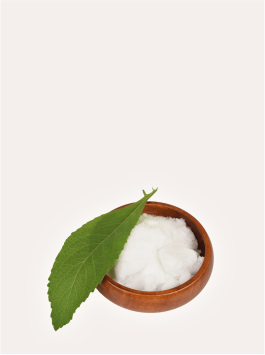
Camphor | Cinnamomum camphora
Camphor is a natural compound traditionally extracted from the wood of the camphor laurel tree (Cinnamomum camphora), though it is often synthetically produced today. Known for its distinct, medicinal aroma and cooling sensation, it is a powerhouse ingredient for soothing distressed skin.
Key Benefits
Anti-Inflammatory & Soothing: It provides an immediate cooling effect that helps calm redness, itching, and irritation associated with insect bites or rashes.
Antimicrobial Properties: Its natural antifungal and antibacterial qualities make it effective in treating acne and minor skin infections.
Pain Relief: Acting as a mild local anesthetic, it helps numb nerve endings to relieve discomfort from skin sensitivity or muscle aches.
Increased Circulation: When applied topically, it acts as a rubefacient, stimulating blood flow to the skin’s surface, which can aid in healing and impart a healthy glow.
Cinnamon Oil
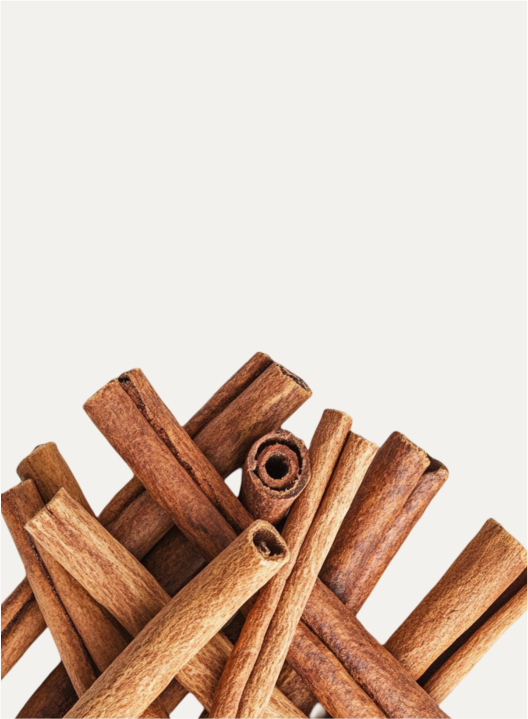
Cinnamon Leaf Oil | Cinnamomum Zeylanicum Leaf Oil
Cinnamon leaf oil is an essential oil steam-distilled from the leaves of the “true” cinnamon tree. Unlike the more aggressive bark oil, leaf oil has a high concentration of eugenol, giving it a warm, spicy aroma and several therapeutic benefits for the skin.
Key Benefits
Antimicrobial & Purifying: It possesses potent antibacterial and antifungal properties, making it an effective ingredient for addressing acne and preventing skin infections.
Stimulates Circulation: When applied topically, it promotes blood flow to the skin’s surface. This “warming” effect can revitalize dull complexions and help soothe sore muscles.
Antioxidant Protection: Rich in polyphenols, it helps neutralize free radicals, potentially slowing the visible signs of aging like fine lines and loss of elasticity.
Astringent Properties: It helps to tone the skin and tighten pores, leading to a more refined skin texture.
Clove Oil

Clove oil | Petrolatum Alba
White petroleum jelly (also known as white petrolatum) is a highly refined, semi-solid mixture of mineral oils and waxes. It is considered the “gold standard” of occlusives, meaning it doesn’t just add moisture but physically blocks it from escaping.
Key Benefits
Prevents Water Loss: It creates an impermeable barrier that reduces transepidermal water loss (TEWL) by over 98%, keeping skin deeply hydrated.
Accelerates Healing: By maintaining a moist environment, it helps minor cuts, scrapes, and burns heal up to twice as fast with less scarring.
Skin Protection: It shields compromised skin from harsh weather, windburn, and friction (chafing), making it ideal for lips, heels, and diaper areas.
Hypoallergenic & Inert: Since it is chemically inactive and contains no fragrances, it is safe for the most sensitive skin, including newborns and those with eczema.
Emulsifying Wax
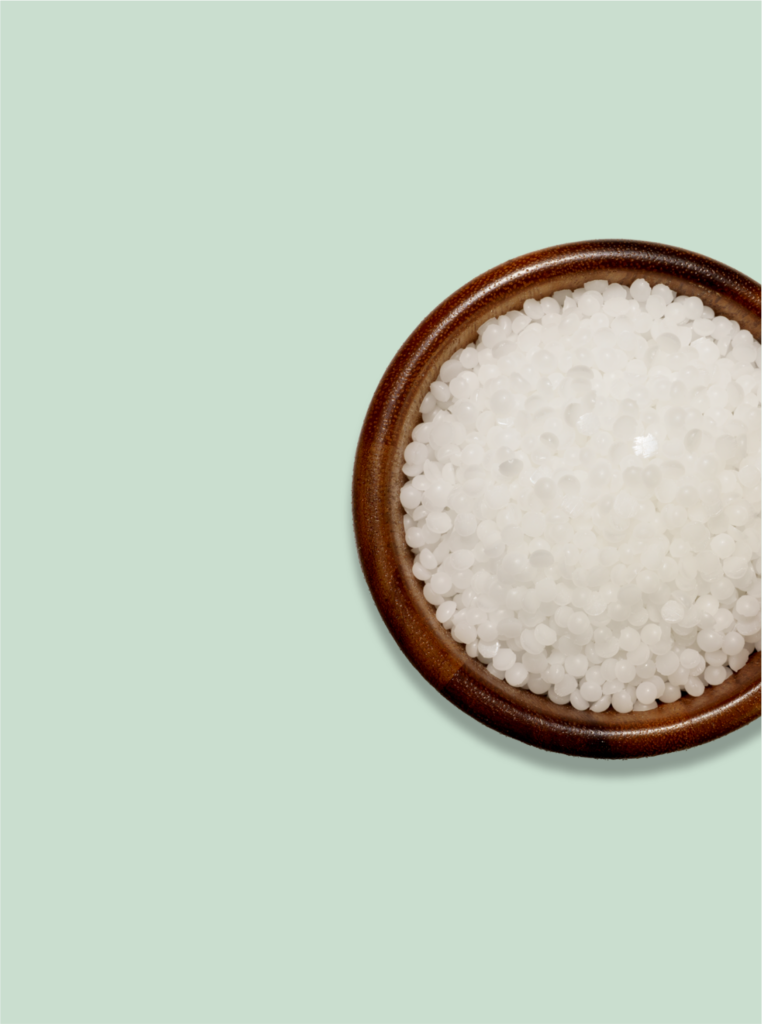
Emulsifying Wax | NF
Emulsifying wax is a cosmetic ingredient—usually derived from plant-based fatty acids—that acts as the “glue” holding oil and water together. Because oil and water naturally repel each other, they require an emulsifier to create a stable, homogenous mixture.
Key Benefits in Skincare
Stability: It prevents products like lotions and creams from separating into layers, ensuring a consistent texture and shelf life.
Improved Texture: It lends a smooth, velvety feel to products, allowing them to spread easily across the skin without feeling overly greasy.
Moisture Retention: By facilitating the blend of oils and water, it helps deliver hydration (water) while locking it in with a protective barrier (oil).
Enhanced Absorption: It helps active ingredients penetrate the skin more effectively by maintaining an even distribution throughout the formula.
In short, emulsifying wax is the essential bridge that transforms raw liquids into the creamy, luxurious textures we associate with modern skincare
Menthol
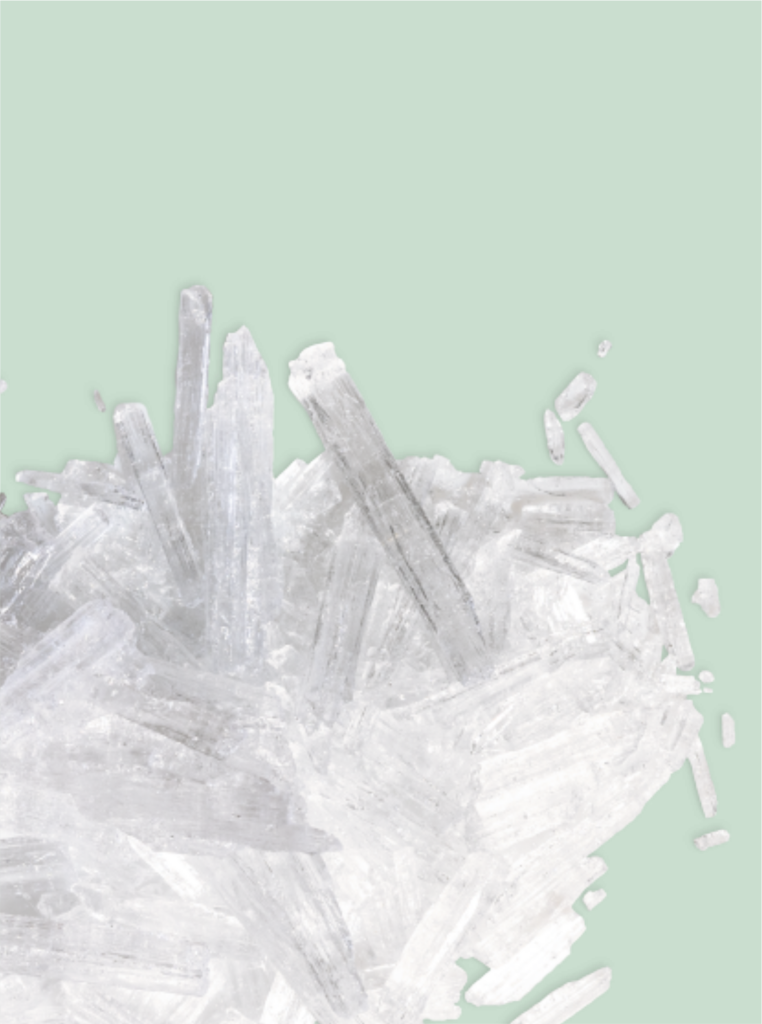
Menthol| Crystals
Menthol crystals are a solid, concentrated form of natural menthol derived from the steam distillation and freezing of peppermint or other mint oils. These translucent, needle-like crystals are prized for their intense cooling and refreshing properties in skincare.
Key Benefits
Immediate Cooling Sensation: They activate the skin’s cold-sensitive receptors without physically lowering the temperature, providing instant relief for overheated or sunburned skin.
Anti-Itch & Soothing: Menthol is an effective antipruritic, significantly reducing the sensation of itching and irritation from insect bites, rashes, or dry skin.
Natural Pain Relief: Its mild analgesic properties help desensitize nerve endings, making it a popular addition to foot creams and muscle rubs to soothe soreness.
Penetration Enhancer: Menthol can temporarily alter the skin barrier, helping other active ingredients in a formula penetrate more deeply and work more effectively.
Scalp Stimulation: In hair care, it invigorates the scalp and stimulates blood flow, which can help support a healthy environment for hair growth.
Methyl Salicylate

Methyl Salicylate | Gaultheria procumbens
Methyl salicylate is an organic ester naturally produced by many species of plants, particularly wintergreen (Gaultheria procumbens). In the skincare and topical analgesic industry, it is widely utilized for its warming sensation and potent pain-relieving properties.
Key Benefits
Topical Analgesic: It acts as a counter-irritant, creating a cooling then warming sensation that distracts the brain from deeper muscle or joint pain.
Anti-Inflammatory: As a derivative of salicylic acid, it helps reduce localized inflammation and swelling when applied to the skin.
Increased Blood Flow: It serves as a rubefacient, stimulating microcirculation at the application site, which can assist in the recovery of tired or strained tissues.
Aromatic Profile: It provides the characteristic “medicinal” or “minty” scent common in athletic balms and therapeutic ointments.
Vaseline
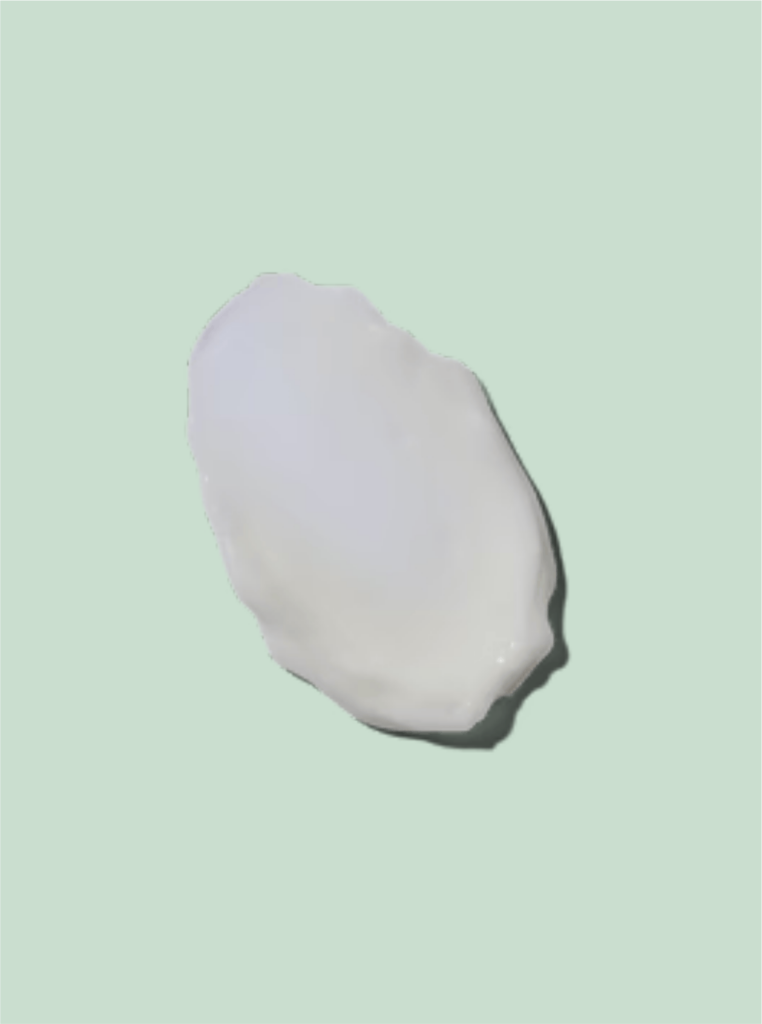
Petroleum jelly | Petrolatum Alba
White petroleum jelly (also known as white petrolatum) is a highly refined, semi-solid mixture of mineral oils and waxes. It is considered the “gold standard” of occlusives, meaning it doesn’t just add moisture but physically blocks it from escaping.
Key Benefits
Prevents Water Loss: It creates an impermeable barrier that reduces transepidermal water loss (TEWL) by over 98%, keeping skin deeply hydrated.
Accelerates Healing: By maintaining a moist environment, it helps minor cuts, scrapes, and burns heal up to twice as fast with less scarring.
Skin Protection: It shields compromised skin from harsh weather, windburn, and friction (chafing), making it ideal for lips, heels, and diaper areas.
Hypoallergenic & Inert: Since it is chemically inactive and contains no fragrances, it is safe for the most sensitive skin, including newborns and those with eczema.